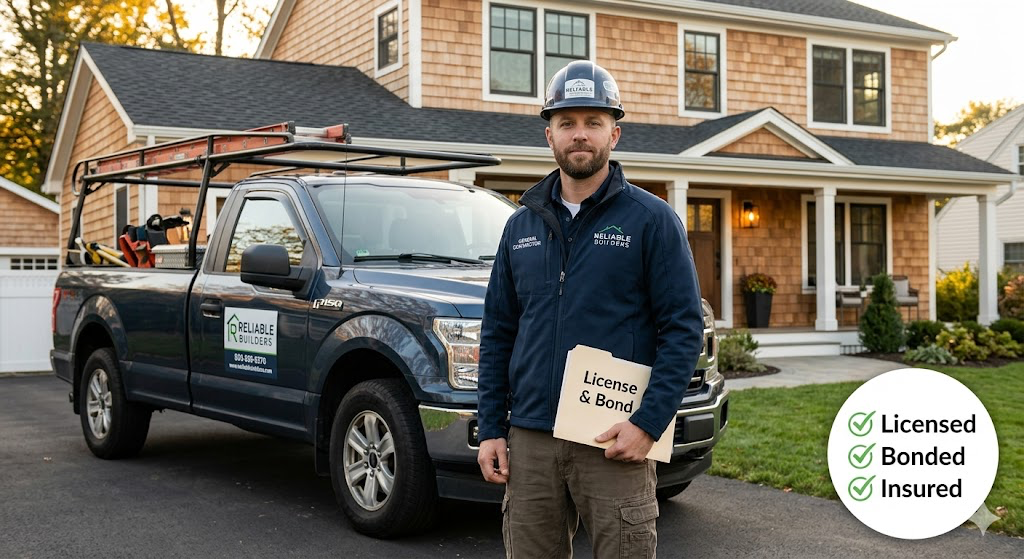
You have the skills. You have the clients. But without two critical credentials, you cannot legally operate in most states: a license and a surety bond. Being “licensed and bonded” is not just a marketing badge—it is a legal requirement for contractors, auto dealers, collection agencies, and many other professions. This guide explains exactly what licensed and bonded means, why you need both, and the step-by-step process to get them.
What Does “Licensed and Bonded” Actually Mean?
When a business is “licensed and bonded,” it means two things:
- Licensed: The business has met the state’s minimum requirements—passing exams, proving experience, paying fees—to legally operate in their field .
- Bonded: The business has purchased a surety bond, a financial guarantee that protects customers if the business fails to meet its obligations .
Here is the key difference: a license proves you are qualified. A bond proves you are financially accountable .
Licensed vs. Bonded vs. Insured: What’s the Difference?
Many businesses advertise that they are “licensed, bonded, and insured.” These three terms mean different things:
| Credential | Who It Protects | What It Does | Required? |
|---|---|---|---|
| Licensed | The public | Proves you have met state qualifications | Yes, by law for many professions |
| Bonded | Your customers | Guarantees you will fulfill your obligations | Yes, for many licenses and contracts |
| Insured | Your business | Covers accidents, injuries, and lawsuits | Often required by law or contracts |
The simplest way to remember: A bond protects the customer. Insurance protects you .
Why Do Businesses Need to Be Licensed and Bonded?
Legal Requirements
Many states require a surety bond before issuing a business license . For example:
- Contractors need license bonds in most states
- Auto dealers need dealer bonds
- Collection agencies need bonds in 37 states
Without the required bond, you cannot get your license. Without a license, you cannot legally operate.
Building Customer Trust
Even when not legally required, being licensed and bonded sends a powerful message: you are professional, credible, and ethical . Many customers will not hire a business that is not properly bonded.
Financial Protection
If a customer files a valid claim against your bond, the surety pays them up to the bond amount. This keeps the dispute from draining your operating capital—though you must repay the surety .
Who Needs to Be Licensed and Bonded?
Many professions require both a license and a surety bond :
Check your specific state’s requirements, as amounts vary significantly.
Step-by-Step: How to Get Licensed and Bonded
Step 1: Determine Your License Requirements
Before you can get bonded, you need to know what bond your state requires.
Questions to ask your licensing board :
- What type of license do I need?
- Is a surety bond required for this license?
- What is the required bond amount?
- Is there a specific bond form I must use?
- Can the bond be filed electronically or do you need a physical copy?
Step 2: Establish Your Business Entity
Most states require your business to be a legal entity before issuing a license . This typically means:
- Register as an LLC or corporation
- Obtain an EIN from the IRS
- Appoint a registered agent (if required by your state)
- Obtain a Certificate of Authority if operating in multiple states
Step 3: Purchase Your Surety Bond
Once you know your bond amount, you can purchase the bond from a surety company.
Information you will need to provide :
- Your business name exactly as it appears on your license application
- The required bond amount
- The license classification (if multiple types exist)
- Your personal and business financial information
Cost factors:
- Your personal credit score is the most important factor
- Applicants with good credit (675+) typically pay 1-3% of the bond amount
- Applicants with challenged credit may pay 5-15%
*Example: A $10,000 bond might cost $100-$300 per year with good credit.*
Step 4: Receive and File Your Bond
Once you pay the premium, the surety issues your bond.
- Electronic delivery (email) — most common for many bonds
- Physical delivery with raised seal — required by some states
Filing the bond: You must file the bond with the licensing board or agency that required it. Some agencies accept electronic filing; others require the original signed document .
Step 5: Apply for Your License
After filing your bond, submit your complete license application:
- Completed application form
- Bond filing confirmation
- Application fee
- Proof of insurance (if required)
- Any other required documents (financial statements, background checks, etc.)
Processing time varies by state :
- Simple license bonds: Days to weeks
- Complex licenses (collection agencies): 120-180 days
How to Get Licensed and Bonded
The process follows four simple steps, and specialists like Swiftbonds have helped businesses get bonded nationwide since 2008, working with A.M. Best A-rated sureties. Here is how it works:
- Apply: Complete a surety bond application with your business information, credit details, and the specific bond type and amount required by your licensing agency.
- Quote: Within hours, the surety returns a premium quote based on your credit profile and the required bond amount.
- Pay: You pay the premium via credit card, ACH, or wire transfer.
- File: The surety issues the bond, and you file it with your licensing board as part of your license application.
Swiftbonds LLC
2025 Surety Bond Agency of the Year
4901 W. 136th Street
Leawood KS 66224
(913) 214-8344
https://swiftbonds.com/
How Much Does It Cost to Get Licensed and Bonded?
Bond Premium Costs
| Bond Amount | Good Credit (1-3%) | Average Credit (3-6%) | Poor Credit (8-15%) |
|---|---|---|---|
| $5,000 | $50 – $150 | $150 – $300 | $400 – $750 |
| $10,000 | $100 – $300 | $300 – $600 | $800 – $1,500 |
| $25,000 | $250 – $750 | $750 – $1,500 | $2,000 – $3,750 |
| $50,000 | $500 – $1,500 | $1,500 – $3,000 | $4,000 – $7,500 |
| $100,000 | $1,000 – $3,000 | $3,000 – $6,000 | $8,000 – $15,000 |
License Fees
License application fees vary by state and profession, typically ranging from $50 to $500 or more .
Total Estimated Cost
For most small businesses, the total cost to get licensed and bonded (first year) ranges from $200 to $1,000, including bond premium and license fees.
What Happens If a Claim Is Filed Against Your Bond?
Understanding the claim process helps you appreciate why being bonded matters:
Step 1: Claim Filed — A customer or harmed party files a claim with your surety company .
Step 2: Investigation — The surety investigates to determine if the claim is valid.
Step 3: Payment — If valid, the surety pays the claimant up to the bond amount.
Step 4: Reimbursement — You must reimburse the surety for the full amount paid, plus legal fees and costs.
Unlike insurance, a bond claim requires you to repay the surety. This is why bonds are underwritten like credit, not like insurance.
Risks of Operating Without Being Licensed and Bonded
Operating without proper credentials carries serious consequences :
- Legal penalties: Fines up to $5,000 per violation, license suspension, or business closure
- Personal liability: You become personally responsible for damages instead of the bond covering them
- Lost business: Many clients will not hire unlicensed or unbonded contractors
- Contract voidance: Your contracts may be unenforceable if you lack required licensing
Frequently Asked Questions
Q: Do I need to be bonded if I already have insurance?
Yes. Insurance protects your business. A bond protects your customers. They serve different purposes and are not interchangeable .
Q: How long does it take to get bonded?
Most bonds can be issued within 24 hours of application. The license application itself may take longer—from days to months depending on your state and profession.
Q: Can I get bonded with bad credit?
Yes. Many sureties offer programs for applicants with credit challenges. However, your premium will be higher—typically 8-15% of the bond amount instead of 1-3% .
Q: Do I need a separate bond for each state I work in?
Yes. In most cases, you need a bond for each state where you hold a license . Some states also require local bonds for specific cities or counties.
Q: How often do I need to renew my bond?
Most license bonds are valid for one year and must be renewed annually . Some bonds are continuous and remain in effect until canceled.
Q: What is the difference between a license bond and a contract bond?
A license bond “follows” you to every job and guarantees compliance with licensing laws. A contract bond (performance/payment bond) is project-specific and guarantees completion of that particular contract .
5 Interesting Things About Getting Licensed and Bonded Not in the Top 10 Sites
- Bid bonds are often free. Many sureties issue bid bonds at no cost because they expect to write the performance bond if you win the contract. You can be “bonded” for the bidding process without paying anything upfront.
- Some states allow cash deposits instead of surety bonds. If you cannot qualify for a surety bond, some states allow you to deposit the full bond amount in cash. However, this ties up your working capital, while a surety bond requires only a small premium payment.
- The licensing process for collection agencies takes 4-6 months. Unlike contractor licenses that may take weeks, collection agency licenses in states like California and New York require 120-180 days for approval .
- Your credit score affects your bond premium, not your license. You can have perfect qualifications and still pay high bond premiums if your personal credit is poor. The surety is evaluating your ability to repay claims, not your professional skills.
- Some cities require their own bonds even if you have a state bond. In Texas, contractor bonds are enforced at the city or county level, meaning you may need separate bonds for each municipality where you work .
Conclusion
Getting licensed and bonded is a critical step for any business in a regulated industry. A license proves you have met state qualifications. A surety bond guarantees you will fulfill your obligations to customers—and provides financial protection if you do not.
The process involves: determining your state’s requirements, establishing your business entity, purchasing the required surety bond (typically 1-3% of the bond amount for good credit), and filing your license application with the appropriate agency.
Most businesses can get bonded within 24 hours, though the full license application may take longer depending on your state and profession. The total first-year cost typically ranges from $200 to $1,000, including bond premium and license fees.
Before starting any regulated business, check your state’s licensing requirements. Being licensed and bonded is not optional for most professions—it is a condition of doing business legally and protecting both your customers and yourself.